Health and Safety Newsletter November 2026: Enforcement, Asbestos Changes and Winter Safety
From HSE enforcement cases and upcoming asbestos regulation changes to workplace stress and winter safety, here is everything your business needs to know this November.
HEALTH & SAFETY NEWSLETTER
There has been plenty happening in the world of health and safety over recent weeks, with several serious workplace incidents resulting in significant injuries, fatalities and substantial fines for employers.
This month's edition looks at some of the latest HSE enforcement cases, forthcoming changes to asbestos regulations, workplace stress and some practical reminders to help keep your business compliant and, more importantly, your employees safe.
IN THE NEWS: HSE enforcement – the consequences of getting it wrong
Recent HSE prosecutions have highlighted some familiar but entirely preventable failures.
Machinery guarding – £80,000 fine
A manufacturer in St Helens, was fined £80,000 after an experienced machine operator suffered life-changing injuries when her hand became trapped in unguarded printing rollers.
The investigation found that the machinery did not have suitable interlocked guarding to prevent access to dangerous moving parts. The employee suffered amputations to several fingers.
The lesson for employers:
• Check that all machinery has suitable fixed or interlocked guards.
• Never allow employees to clean, adjust or maintain machinery while dangerous parts are moving.
• Ensure suitable isolation and lock-off procedures are followed.
• Review machinery risk assessments, particularly where employees regularly undertake cleaning or maintenance.
Remember, experience does not eliminate risk. An employee who has operated machinery for 20 years can still suffer a serious injury if appropriate safeguards are missing.
Working at height – another serious fall
A Lancashire construction and landscaping company was fined £20,000 after a worker fell approximately 10 metres through a fragile barn roof while undertaking work involving a skylight.
The worker suffered serious injuries, including fractures to his ribs, vertebrae and pelvis.
The lesson for employers:
• Working on roofs requires proper planning. Fragile roof coverings, roof lights and deteriorating materials must never be assumed to support a person's weight.
• Employers should consider whether work can be undertaken from below, suitable access equipment, edge protection, safety nets and other collective protective measures before relying on personal fall protection.
Fatal roadside incident – £600,000 fine
A company was fined £600,000 following the death of a 21-year-old tyre fitter who was crushed when a truck slipped from a bottle jack while he was working beneath it on the M56.
The investigation identified shortcomings in risk assessment, supervision and the safe management of roadside tyre replacement.
The lesson for employers:
• Where employees work on vehicles, particularly roadside or in challenging environments, suitable equipment, vehicle stabilisation, safe working procedures and appropriate supervision are essential.
• These cases reinforce an important message: having a health and safety policy and risk assessments is not enough. Employers must ensure that the arrangements described are actually implemented and effective.
REGULATORY UPDATE: Changes to asbestos safety requirements
The Health and Safety Executive has announced changes following its consultation on the Control of Asbestos Regulations 2012.
The changes will strengthen the independence of the four-stage clearance process following licensed asbestos removal work.
Currently, arrangements for appointing the analyst can create potential conflicts of interest where the asbestos removal contractor appoints the analyst.
The revised requirements will address this issue by strengthening the independence and impartiality of the clearance arrangements.
Important dates:
• 24 November 2026 – the regulatory amendment comes into force.
• November 2027 – HSE enforcement of the new requirements is expected to begin, following a 12-month implementation period.
What should employers do?
• Businesses undertaking refurbishment, maintenance or demolition should:
• Review their asbestos management arrangements.
• Ensure asbestos surveys are available and suitable before work begins.
• Check that contractors understand their responsibilities.
• Ensure appropriate asbestos removal and clearance arrangements are in place.
• Never assume that older buildings are asbestos-free.
Remember, asbestos remains a significant risk in buildings constructed or refurbished before the relevant prohibition dates.
WORKPLACE WELLBEING: Stress is a health and safety issue
Work-related stress continues to be a major cause of work-related ill health in Great Britain.
Following Stress Awareness Week, the HSE has renewed its call for employers to take a proactive approach to identifying and managing workplace stress.
Stress should not simply be regarded as an individual employee's problem. Employers have a responsibility to assess workplace risks and take reasonably practicable steps to prevent work-related ill health.
Common causes include:
• Excessive workloads and unrealistic deadlines.
• Lack of control over work activities.
• Poor communication and management support.
• Workplace conflict, bullying and harassment.
• Unclear roles and responsibilities.
• Poorly managed organisational change.
Five things employers can do:
• Identify the main causes of stress within the workplace.
• Consult employees and encourage open conversations.
• Review workloads, staffing levels and working arrangements.
• Train managers to recognise the signs of stress.
• Develop and implement a suitable stress risk assessment and action plan.
The HSE's Working Minds campaign provides useful guidance and resources to help businesses address work-related stress.
A healthy workforce is a safer, more productive workforce.
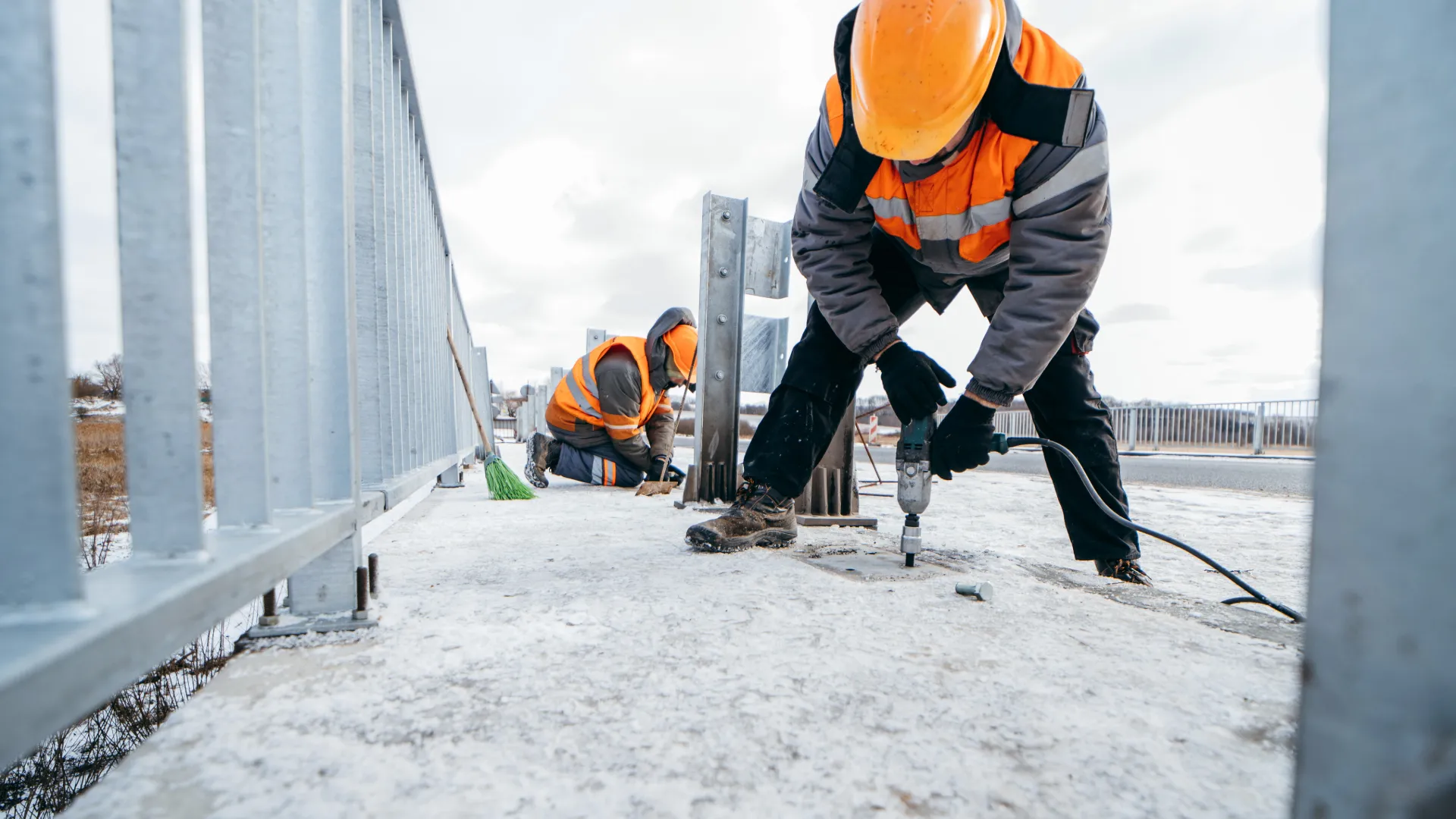
SEASONAL SAFETY: Preparing for winter
As we move further into November, colder temperatures, darker evenings and deteriorating weather conditions introduce additional workplace risks.
Employers should be considering the following: Slips, trips and falls
• Ensure walkways, entrances and external access routes are maintained.
• Remove ice and standing water where reasonably practicable.
• Provide suitable lighting in car parks and pedestrian areas.
• Consider appropriate footwear for employees working outdoors.
• Driving for work
• Check that vehicles are maintained and suitable for winter conditions.
• Ensure tyres, lights, brakes and windscreen wipers are in good condition.
• Encourage employees to allow additional journey time.
• Remind drivers to adapt their speed and driving style to weather conditions.
Working outdoors
• Provide suitable clothing and protection against cold and wet conditions.
• Consider the effects of reduced temperatures on manual handling and physical work.
• Provide appropriate rest facilities and access to warm drinks.
• Review arrangements for lone workers and employees working in remote locations.
Lighting and visibility
• Check external lighting, loading areas, pedestrian routes and car parks.
• Ensure high-visibility clothing is available where necessary.
• Review arrangements for employees working during hours of darkness.
A little preparation now can prevent accidents and disruption over the winter months.
THE FIVE-MINUTE SAFETY CHECK
This month, why not take five minutes to review the following within your workplace?
☐ Are all machinery guards fitted and working correctly?
☐ Are employees following safe systems of work when cleaning or maintaining equipment?
☐ Have work-at-height risk assessments been reviewed?
☐ Are contractors provided with suitable site information and supervision?
☐ Are asbestos surveys available before refurbishment or maintenance work?
☐ Have workplace stress risks been considered?
☐ Are external walkways and car parks safe for winter conditions?
☐ Are accident and near-miss reports being reviewed for trends?
If you identify any shortcomings, make sure appropriate action is taken and recorded.
A FINAL THOUGHT
Health and safety should never be something a business only thinks about when an accident happens or an HSE inspector arrives.
The recent enforcement cases demonstrate that serious incidents are often associated with basic failures: missing machinery guards, inadequate planning, poor supervision and ineffective risk assessments.
Good health and safety management is about identifying these problems before somebody gets hurt.
Prevention is always better than prosecution.
NEED A HELPING HAND?
At Spectra Safety, we provide practical health and safety support to businesses across a wide range of industries.
Whether you need assistance with risk assessments, health and safety audits, policies and procedures, training, ISO management systems or general compliance advice, our team is here to help.
If you have any questions about the topics covered in this newsletter or would like to discuss your business's health and safety arrangements, please get in touch.
Spectra Safety – Practical advice. Professional support. Safer workplaces.
The information in this newsletter is intended as general guidance and should not be treated as a substitute for assessing the specific risks and legal requirements applicable to your business.