Working in Confined Spaces
Working in a confined space is dangerous due to the risks from noxious fumes, reduced oxygen levels, or a risk of fire.
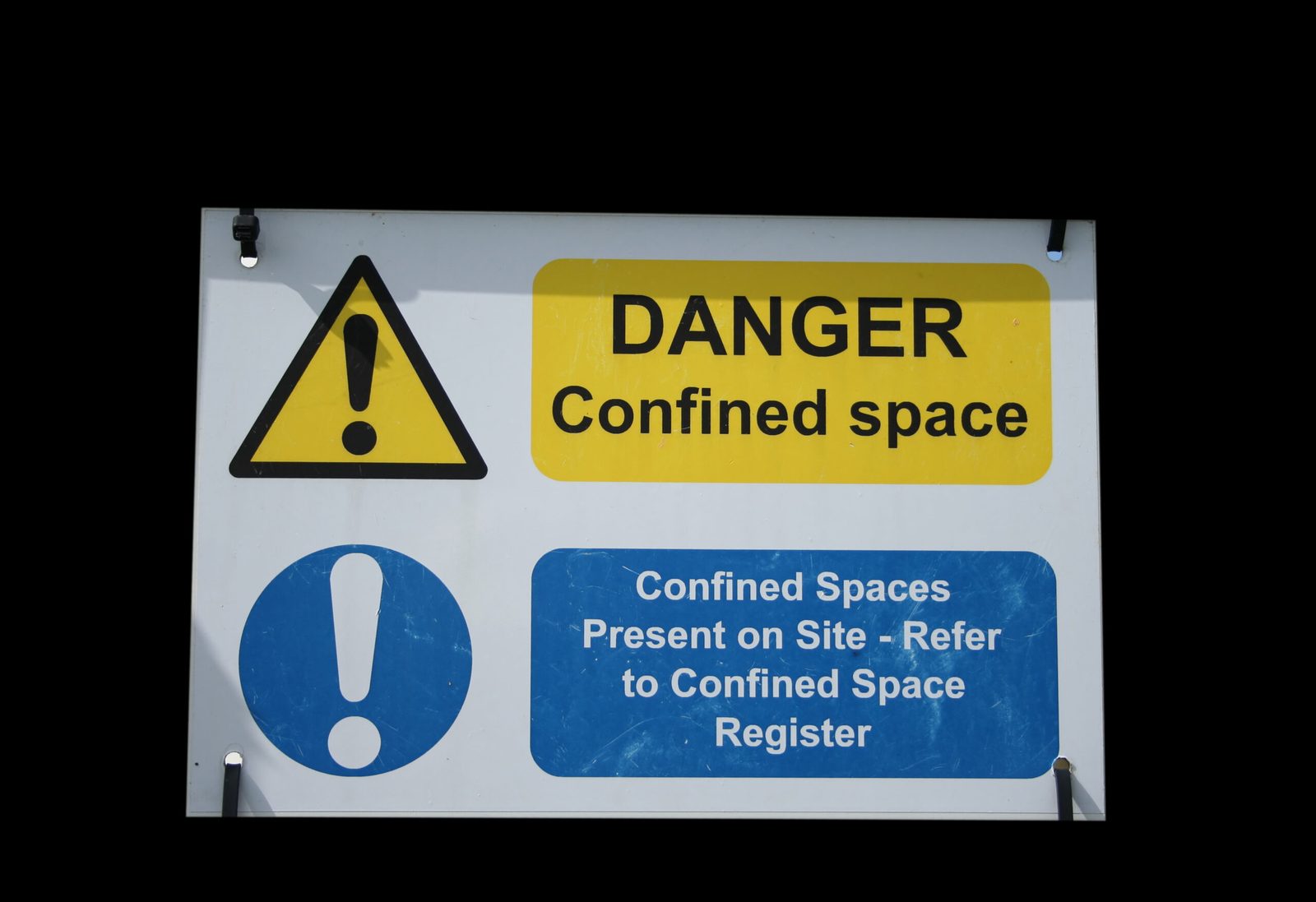
Working in a confined space is dangerous due to the risks from noxious fumes, reduced oxygen levels, or a risk of fire.
A confined space is one which is both enclosed or largely enclosed and has a reasonably foreseeable specified risk to employees of:
- Fire
- Explosion
- Loss of consciousness
- Asphyxiation
- Drowning
You must consider all confined spaces, it may be a small and restrictive space for the worker or it could be a far larger space such as a grain storage silo with hundreds of cubic metre capacity.
Working in a confined space is dangerous due to the risks from noxious fumes, reduced oxygen levels, or a risk of fire.
Other dangers may include flooding, drowning or asphyxiation from some other source such as dust, grain or other contaminant.
Wherever possible, you should avoid carrying out tasks in confined spaces. If this is not possible, you must assess the risks of the particular confined space and plan how you will control those risks. For example, if:
- Has harmful fumes, you should consider how these can be ventilated or removed
- There is a risk of liquids or gases flooding in, you should establish whether the valves can be locked shut
- Someone is going into a confined space and there is not enough oxygen to breathe properly, you must provide breathing apparatus or ventilate the space to increase oxygen levels before entering
You should have emergency arrangements where necessary. If someone is working,, think about the following:
- How will you know they are safe and have not been overcome by fumes?
- How will you get them out if they are overcome? (It’s not enough to rely on the emergency services) – Do you have a rescue plan?
- Be aware of the risks that may occur
- Make sure the person doing the work is capable and trained in both the work and the use of any emergency equipment
- Work in confined spaces unless it’s essential to do so
- Ignore the risks – just because a confined space is safe one day does not mean it will always be safe
- Let others enter until you are sure it’s safe to do so
Under the Health and Safety at Work etc Act 1974 employers are responsible for ensuring the safety of their employees and others. This responsibility is reinforced by additional regulations and legislation.
The Confined Spaces Regulations 1997
Apply where the assessment identifies risks of serious injury from work in confined spaces.
These regulations contain the following key duties:
- Avoid entry to confined spaces, e.g. by doing the work from the outside
- If entry to a confined space is unavoidable, follow a safe system of work, and
- Put in place adequate emergency arrangements before the work starts
The Management of Health and Safety at Work Regulations 1999
Requires employers and self-employed people to carry out a suitable and sufficient assessment of the risks for all work activities for the purpose of deciding what measures are necessary for safety. For work in confined spaces this means identifying the hazards present, assessing the risks and determining what precautions to take.
If you need any help or advice, please contact Spectra where one of our experienced Consultants will be happy to help.